
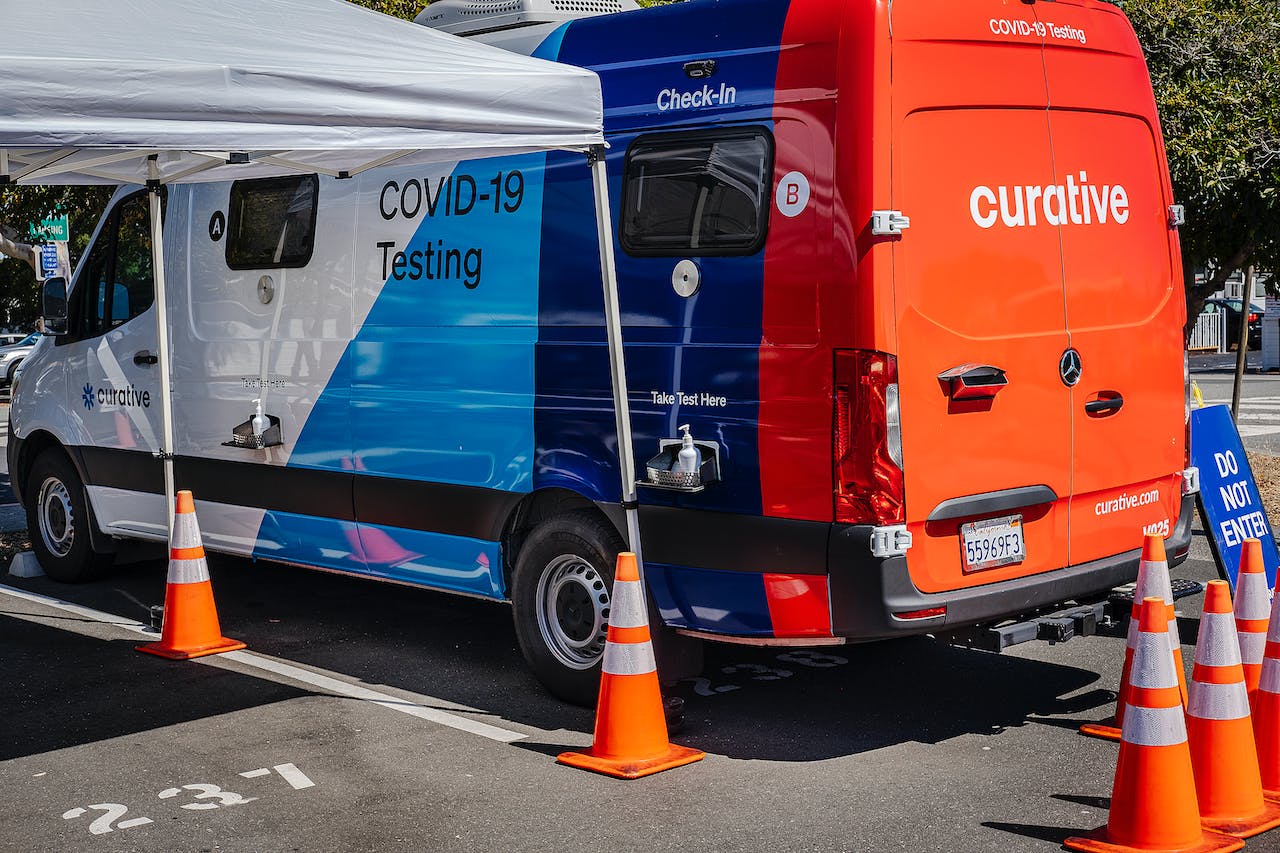
Customizing a van into a mobile clinic is an exciting endeavor that allows healthcare professionals to provide medical care directly to communities in need. Customized Mobile Clinics need the process approached with careful planning and attention to detail. Here are some common blunders to avoid when transforming your van into a mobile clinic, ensuring a successful conversion that meets all your healthcare needs.
Insufficient Planning
 One of the most critical mistakes is jumping into the conversion process without thorough planning. Take the time to define your goals, assess community needs, and determine the services you plan to provide. Consider patient flow, equipment requirements, storage space, and accessibility for patients with disabilities. Adequate planning ensures that your mobile clinic is efficient, functional, and able to deliver the best possible care.
Underestimating the Budget
Converting a van into a mobile clinic can be a significant investment. It’s crucial to set a realistic budget that covers all aspects of the customization, including the costs of medical equipment, electrical and plumbing systems, furnishings, and compliance with health regulations. Failure to allocate a sufficient budget may compromise the quality of your mobile clinic or lead to delays and more expenses down the line.
Neglecting Compliance and Safety
Compliance with health and safety laws is paramount when operating a mobile clinic. Ensure that your customization meets all necessary guidelines and requirements, including proper ventilation, waste management protocols, and infection control measures. Neglecting compliance not only puts your patients at risk but also exposes you to legal and regulatory issues that can hinder your ability to provide healthcare services.
Inadequate Space and Ergonomics
When designing the layout of your mobile clinic, consider space and ergonomics to provide a comfortable and efficient environment for both healthcare professionals and patients. Insufficient seating, cramped working areas, or inadequate storage for medical supplies can hinder productivity and compromise the quality of care. Collaborating with professionals in architecture and interior design can be invaluable in optimizing space and ensuring ergonomic functionality.
Lack of Accessibility
Accessibility is a vital consideration when customizing your van into a mobile clinic. Ensure that your mobile clinic meets accessibility standards for individuals with disabilities and has adequate space to maneuver. Failure to prioritize accessibility may exclude a significant portion of the community from accessing your services, contradicting the purpose of a mobile clinic.
Ignoring Technology and Connectivity
In today’s digital age, technology plays a crucial role in improving healthcare delivery. Ignoring technology and connectivity can limit the efficiency and reach of your mobile clinic. Incorporate electronic medical records, telemedicine capabilities, and a reliable internet connection to facilitate communication with specialists, ensure accurate record-keeping, and enhance overall patient care.
Conclusion
Transforming a van into a mobile clinic requires careful planning, attention to detail, and a commitment to providing quality healthcare services. Remember, the goal is to bring accessible healthcare to underserved communities, and by avoiding these mistakes, you’re one step closer to making a positive impact on the lives of those in need.
