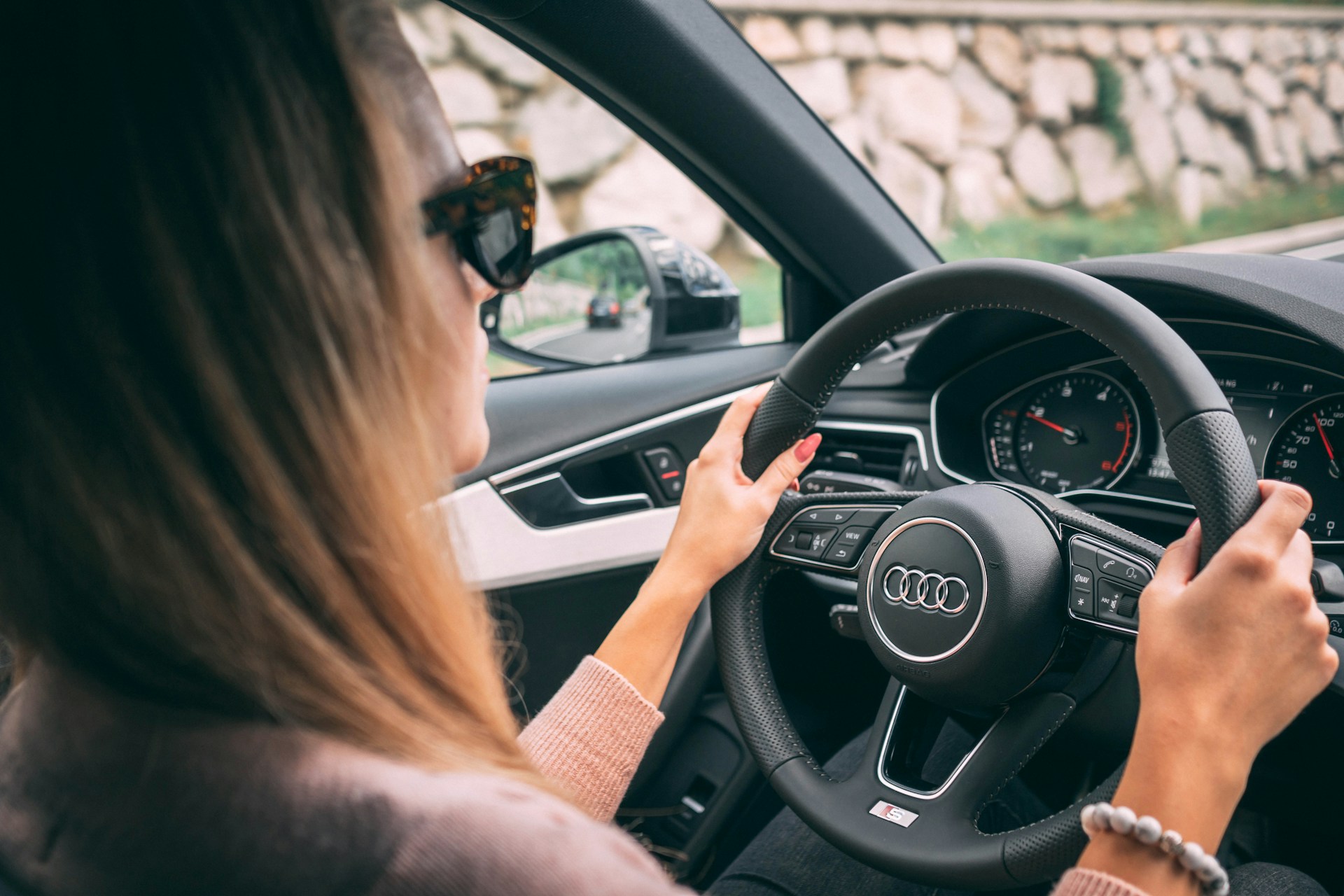
Driving a manual car is an experience that engages more than just your feet; it engages your mind, reflexes, and sense of control. For many drivers, the idea of a stick shift seems daunting, yet those who embrace it often discover benefits that go far beyond simply shifting gears. From improved vehicle control to greater fuel efficiency, manual transmission vehicles offer advantages that are frequently overlooked in an era dominated by automatic cars. Understanding these perks can help both new drivers and seasoned motorists appreciate the value of driving a manual. Whether it’s mastering hill starts, enjoying a more connected driving experience, or reducing long-term maintenance costs, there are numerous reasons why taking the wheel of a manual vehicle can be both practical and exhilarating.
Enhanced Control Over the Vehicle
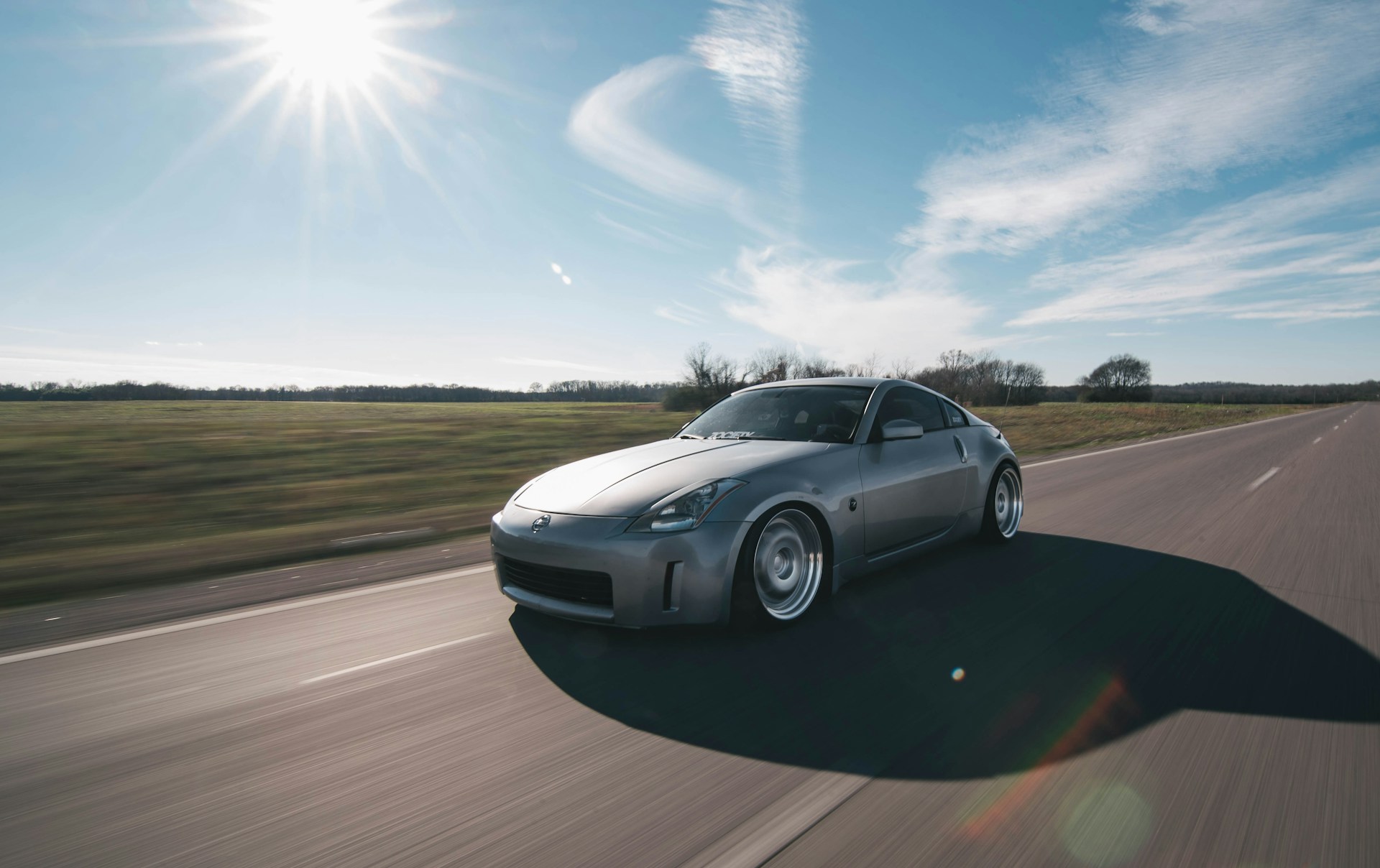
One of the most significant benefits of driving a manual car is the level of control it provides. With a manual transmission, drivers can precisely control acceleration, braking, and gear selection. This control is especially valuable in challenging driving conditions, such as slippery roads, steep inclines, or congested traffic. By managing the clutch and gear shifts, a driver can reduce wheel spin, improve traction, and react more effectively to unexpected situations. This heightened control often translates to safer driving because the vehicle responds directly to the driver’s input. Additionally, learning to master these skills increases overall confidence, making it easier to handle diverse driving environments with greater precision and awareness.
Improved Fuel Efficiency
Contrary to popular belief, manual cars can offer better fuel efficiency when driven correctly. Drivers who understand how to optimize gear changes and engine speed can reduce unnecessary fuel consumption. Unlike automatic vehicles, where gear shifts are often based on preset programming, manual transmissions allow drivers to select the most efficient gear for a given speed and terrain. This ability to manage engine workload directly can result in noticeable savings at the pump over time. Fuel-conscious motorists often prefer manual cars because the hands-on approach gives them the power to moderate consumption and minimize waste, making it a smart choice for drivers who are attentive to operating costs.
Lower Maintenance Costs
Another advantage of owning a manual car is its generally lower maintenance requirements compared to automatic vehicles. Manual transmissions are mechanically simpler, with fewer components that can fail over time. Automatic gearboxes rely on complex hydraulic systems and electronic controls, which can be expensive to repair or replace. In contrast, manual systems are more straightforward and durable, often resulting in fewer costly repairs. Routine maintenance, such as changing the clutch or gearbox fluid, tends to be less expensive than servicing an automatic transmission. Over the life of the vehicle, this simplicity can lead to substantial savings, making manual cars a more economical choice for long-term ownership.
Enhanced Driving Engagement
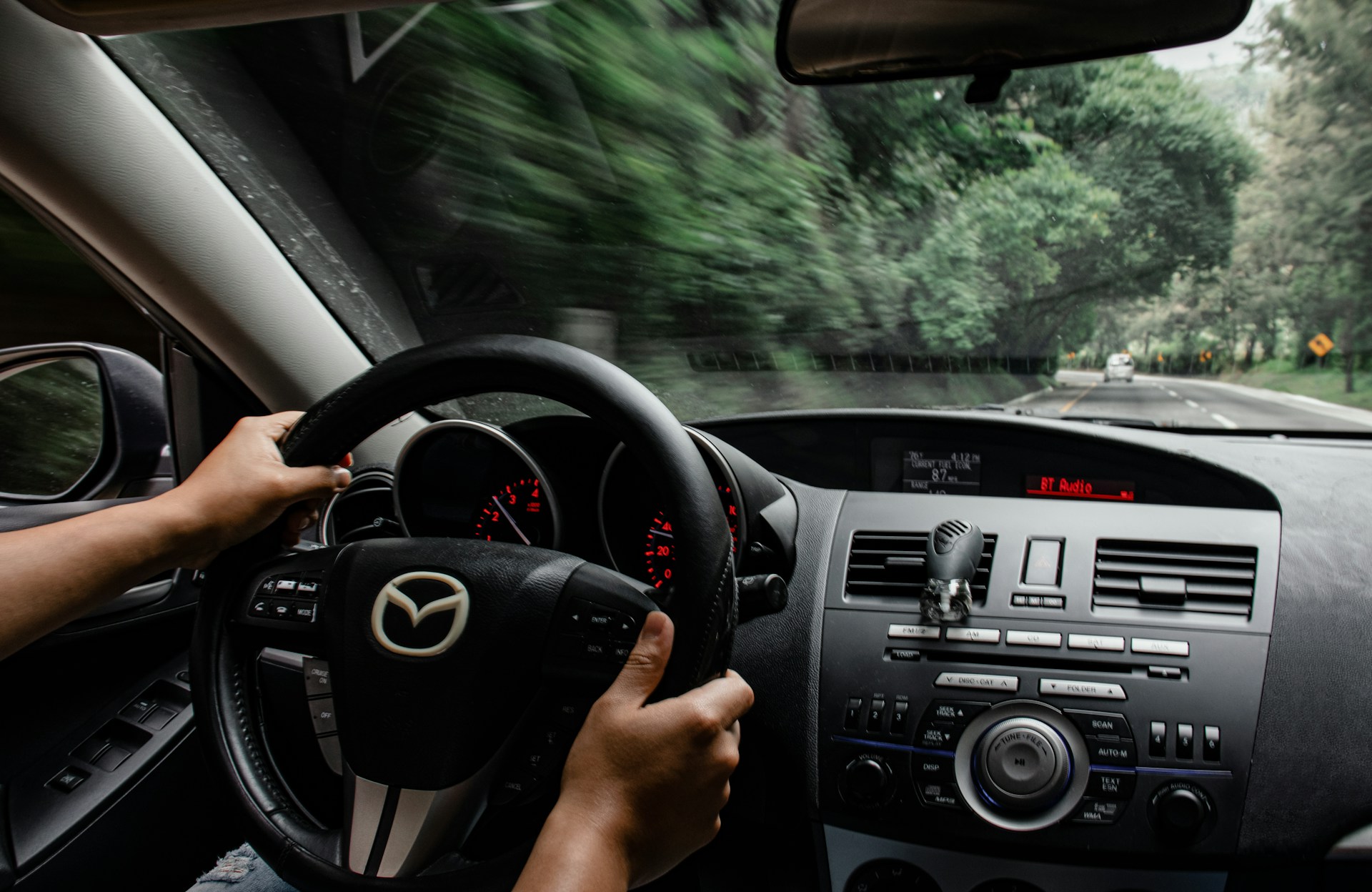
Driving a manual vehicle is often described as a more immersive and engaging experience. Shifting gears, operating the clutch, and modulating throttle input create a direct connection between the driver and the car. This heightened interaction can make daily commutes and long drives more enjoyable. For enthusiasts, the tactile feedback and timing required for gear changes provide a sense of satisfaction and skill development that automatic cars rarely offer. Being engaged in this way can improve driving focus, reduce distractions, and create a more mindful approach to operating a vehicle, all while providing a fun and rewarding driving experience that automatic cars cannot replicate.
Greater Resale and Learning Value
Manual cars often appeal to a niche market, which can sometimes improve resale value in regions where stick shifts are appreciated. Additionally, learning to drive a manual vehicle equips drivers with a skill set that can be applied to a wider variety of vehicles, including trucks, sports cars, and certain off-road models. This versatility is especially useful for individuals who frequently rent cars or plan to travel abroad, where manual transmission vehicles are more common. By investing the time to learn and master a manual car, drivers gain flexibility, increased driving competence, and a level of self-reliance that can be advantageous throughout their automotive experiences.
Driving a manual car offers more than nostalgia or tradition; it provides practical benefits that enhance safety, efficiency, and driving satisfaction. The advantages include better vehicle control, improved fuel efficiency, lower maintenance costs, a more engaging driving experience, and increased versatility for future driving opportunities. While modern automatic cars are convenient, manual vehicles allow drivers to connect with their cars on a deeper level and gain skills that extend beyond everyday driving. Embracing a manual transmission car can be both rewarding and cost-effective, giving drivers the tools to enjoy a more confident and dynamic driving experience while maintaining control over their vehicle and expenses.